Maple Leaf Vein Svg: A Designer's Review for Fall Projects
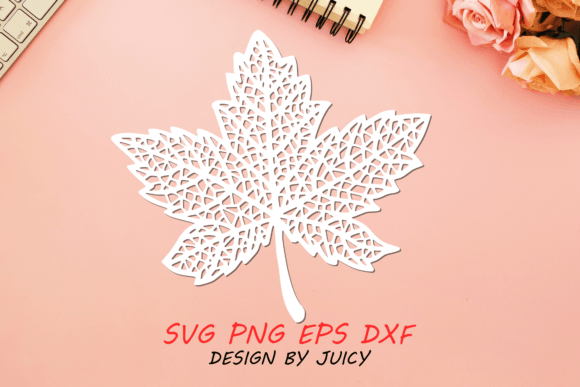
As the air turns crisp and the colors shift to amber and rust, my inbox fills with requests for autumn-themed custom apparel. This year, one file caught my eye immediately: the Maple Leaf Vein Svg. In the world of digital embroidery files and craft business assets, it is easy to get lost in generic shapes that lack character. However, after spending some time analyzing this specific graphic for potential real-world application, I found it offers a unique blend of organic flow and structural clarity that sets it apart from standard clipart.
My first impression was defined by its mood. Unlike blocky, geometric leaves often seen in mass-market designs, this SVG captures the delicate, intricate network of a real maple leaf. The vein work is not just decorative; it provides a natural roadmap for stitching. For an experienced designer, this suggests a piece that will translate beautifully into a machine embroidery design, provided the digitization respects the original vector lines. The visual personality feels rustic yet refined, making it an ideal candidate for boutique branding rather than just a novelty item.
Visualizing the Stitch-Out: From Screen to Fabric
The true test of any digital embroidery file is how it behaves under the needle. When I imagine converting this Maple Leaf Vein Svg into a stitched reality, I see immediate potential for mixed techniques. The outer silhouette screams for a clean satin stitch border to define the edges sharply against the fabric. Meanwhile, the internal vein structure could be rendered effectively with a fine running stitch or a light fill stitch, depending on the desired texture.
Consider a real-life scenario: a client orders a set of matching tote bags for a fall farmers' market. Using this design on a heavy canvas tote bag design allows the veins to stand out without sinking into the weave. If I were to use a satin stitch for the main body and a contrasting thread color for the veins, the result would be a high-end handmade product that justifies a premium price point. The complexity of the veins adds a layer of sophistication that simple solid shapes lack, signaling to the customer that this is a small shop product made with care.
For sweatshirt embroidery, the design holds up well too. On a fleece-backed garment, the definition of the veins prevents the image from becoming a blurry blob. It creates a focal point that draws the eye, perfect for a left-chest logo or a large back print. The organic nature of the leaf pairs exceptionally well with earth tones—mustard, burnt orange, and deep forest green—enhancing the seasonal appeal without feeling cliché.
Navigating Fabric Challenges and Hoop Constraints
While the design is stunning, practical execution requires caution. Not every fabric is a suitable host for such detailed line work. If you are planning to use the Maple Leaf Vein Svg on textured fabrics like waffle knit or heavy tweed, you must account for the fabric texture potentially obscuring the finer vein details. In these cases, increasing the stitch density slightly or opting for an applique design approach might be necessary to maintain clarity.
Stretchy fabrics present another hurdle. For baby embroidery projects, such as a onesie or a soft blanket, the stability of the material is crucial. Without a high-quality cut-away stabilizer, the intricate veins could pucker or distort after washing. I always advise testing the design on scrap fabric first. Pull the sample through a wash cycle to see how the stitches hold up. If the veins break apart or the fabric gathers, you may need to simplify the inner details or switch to a more robust stitching method.
Size matters immensely here. While the SVG format is scalable, the physical limitations of your embroidery machine's hoop size dictate the maximum output. More importantly, shrinking this design too small for a cap or a pocket can cause the veins to merge, turning a detailed illustration into a solid mass. For curved surfaces like baseball caps, ensure the digitized version accounts for the push and pull of the fabric to prevent registration errors in the delicate center of the leaf.
Maximizing Commercial Value and Brand Consistency
For Etsy sellers and creative entrepreneurs, the Maple Leaf Vein Svg is more than just a pretty picture; it is a tool for building brand recognition. Consistency is key in commercial embroidery. If your shop specializes in nature-inspired goods, this design fits seamlessly into a cohesive collection. It can be adapted for various custom apparel items, from aprons for kitchen boutiques to pillow covers for home decor lines.
The professional finish of a well-executed leaf design builds customer trust. When a buyer receives a personalized gift featuring crisp, clear stitching, they associate that quality with your brand. This design, with its inherent elegance, elevates the perceived value of the finished product. It moves the item from a simple craft fair find to a giftable keepsake. Furthermore, because it works well as a standalone graphic, it is excellent for creating printable mockups to showcase your services online before the physical item is even stitched.
However, before listing items for sale, you must verify the licensing terms associated with the Graphics file. Just because a file is available for purchase does not automatically grant commercial rights for unlimited sales. Always confirm whether the license allows for use in commercial embroidery projects or if there are restrictions on the number of physical items you can produce. Protecting your craft business legally is just as important as the artistic execution.
Final Thoughts on Execution and Detail
In conclusion, the Maple Leaf Vein Svg is a versatile asset for the upcoming fall and Thanksgiving season. Its strength lies in its balance of detail and simplicity. It offers enough intricacy to look professional but remains clean enough to stitch reliably on a variety of materials. Whether you are creating an embroidered patch for a jacket, designing holiday embroidery for table linens, or adding a touch of autumn to a line of design assets, this graphic has the potential to perform exceptionally well.
Remember to pay attention to thread colors. A monochromatic look can be striking, but using two or three shades of the same color family for the veins can add depth and dimension that mimics nature. Test your embroidery project on both light and dark backgrounds to ensure contrast is sufficient. With the right preparation, stabilizer, and attention to detail, this design can become a staple in your seasonal catalog, delighting customers with its timeless, organic beauty.