Review: A Little Dirt Never Hurt SVG for Embroidery
As a designer who spends half my life digitizing and the other half stitching, I have learned that not every graphic translates well to thread. We often see trending phrases in the Crafts and Graphics marketplaces that look fantastic on a screen but become a nightmare under the needle. Today, I am taking a close, practical look at the A Little Dirt Never Hurt Svg, Dirt Svg design. This is not just about whether the file opens correctly; it is about whether it holds up when you are trying to run a profitable craft business or create a heirloom-quality personalized gift.
First Impressions: Mood and Visual Personality
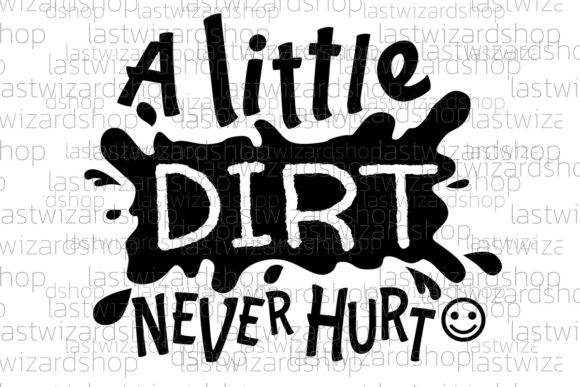
The phrase "A Little Dirt Never Hurt" carries an immediate sense of playful rebellion and outdoor nostalgia. It speaks directly to parents of active toddlers, garden enthusiasts, and anyone who believes that childhood should be messy. Visually, this type of design usually relies on bold, rounded typography to convey friendliness. When I first loaded this digital embroidery file into my viewing software, I was looking for clean vector paths. Since this product is listed with formats like Dxf, Png, and Eps, it is primarily marketed toward cutting machines like Cricut and Silhouette. However, for us embroidery designers, the key question is convertibility.
The layout feels balanced. It does not scream for attention with overly complex flourishes that would require thousands of stitches. Instead, it suggests a straightforward, impactful statement. For an embroidery project, this simplicity is a virtue. It means the design can scale reasonably well without losing legibility. The mood is casual and approachable, making it a natural fit for items that are meant to be used, washed, and loved, rather than displayed behind glass.
Real-World Application: From Screen to Stitch
Let’s move beyond theory and imagine a real scenario. I recently had a client request a set of custom tote bags for a local community garden fundraiser. They wanted something durable, cute, and relevant to the theme. The A Little Dirt Never Hurt Svg, Dirt Svg concept was perfect. But here is where the rubber meets the road: how does it perform?
If you are converting this SVG into a machine embroidery design, you must consider the stitch density. Bold letters work best with a combination of satin stitch borders and fill stitch interiors. If the original graphic has very thin lines, you might need to thicken them in your digitizing software to prevent the thread from sinking into the fabric. For a tote bag, which is typically made of heavier canvas or cotton, a denser stitch count provides a nice tactile relief. The design stands out, creating a professional finished product that feels substantial.
Consider also sweatshirt embroidery. This is a huge seller for Etsy sellers and small shop owners. On a fleece or cotton blend hoodie, the texture of the fabric can swallow up fine details. Because this design relies on strong, readable text, it performs exceptionally well here. The contrast between the thread and the fabric becomes the main visual driver. I recommend using a high-sheen polyester thread to catch the light, giving the words a pop against the matte background of the garment.
Navigating Fabric and Hoop Constraints
While the design is versatile, it is not without its challenges. You must be careful when applying it to difficult surfaces. For instance, if you are attempting cap embroidery, the curved surface distorts the view. A wide design like this might wrap too far around the curve, making the ends hard to read from the front. In this case, you might need to reduce the width or adjust the arch of the text during digitization.
Another critical area is baby embroidery. Parents love the sentiment, but baby clothes are often made from thin, stretchy knits. If you use a heavy fill stitch on a onesie, the fabric will pucker and pull, ruining the comfort and look of the handmade product. Here, I would advise using an applique design technique. You could cut the letters from felt or cotton fabric and use a running stitch or narrow satin stitch to tack them down. This reduces the stitch count significantly and keeps the garment soft and flexible. Always use a proper stabilizer—likely a cut-away for knits—to support the stitches without adding bulk.
Dark fabrics present another hurdle. If you are stitching on navy or black, you need high-contrast thread colors. White, yellow, or bright orange threads will make the Dirt Svg theme pop. However, if you choose muted earth tones, ensure your digitizing includes an underlay stitch that matches the top thread to prevent the dark fabric from showing through the gaps in the stitching.
Commercial Value and Brand Consistency
For commercial embroidery professionals and craft business owners, consistency is key. This design fits seamlessly into a brand identity focused on outdoors, parenting, or rustic living. It enhances customer trust because it looks intentional and clean. A sloppy stitch-out damages brand reputation, but a crisp, well-digitized version of this phrase adds perceived value.
When creating printable mockup images for your online store, remember that lighting matters. Show the texture of the thread. Buyers want to see the quality of the embroidered patch or the direct stitch on the garment. Highlighting the durability of the design can increase buyer engagement. Mention that it is machine washable (with care instructions), which addresses a common concern for parents buying custom apparel.
Practical Designer Notes for Success
Before you list this as a small shop product or use it in a client order, follow these steps:
- Test on Scrap Fabric: Never skip this. Stitch the design on the exact fabric type you plan to sell. Check for puckering, thread breaks, or registration issues.
- Check Licensing: The product description mentions it can be printed on various items, but always confirm the license terms for commercial use. Ensure you have the right to sell finished physical items made with this design.
- Review Stitch Density: If you are digitizing this from the SVG yourself, keep the density moderate. Too dense, and it becomes stiff; too light, and the fabric shows through.
- Contrast Check: View your design in black and white. If the letters blend into the background in grayscale, they will lack impact in color. Adjust your thread choices accordingly.
- Hoop Size Confirmation: Ensure the design fits within your standard hoop sizes (4x4, 5x7, or 6x10). A design that requires re-hooping increases production time and risk of misalignment.
In conclusion, the A Little Dirt Never Hurt Svg, Dirt Svg is a strong contender for your design assets library. It captures a timeless sentiment with a visual style that translates well to thread, provided you respect the limitations of your materials. Whether you are creating holiday embroidery gifts, tote bag designs for spring, or everyday personalized gifts, this design offers a blend of charm and durability. Treat it with the technical respect it deserves, and it will serve your embroidery project goals well.