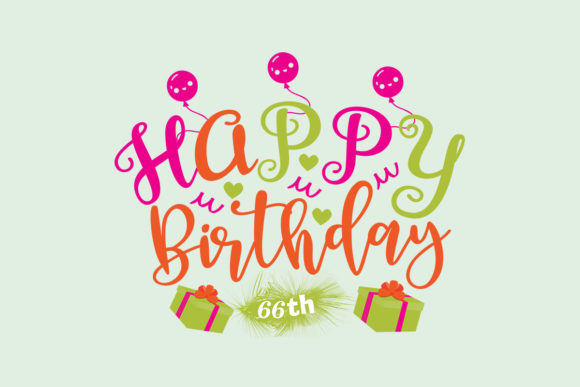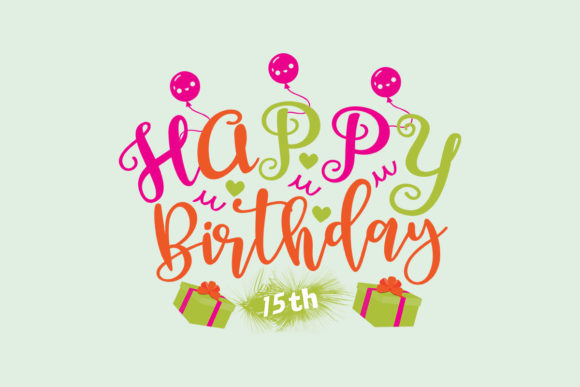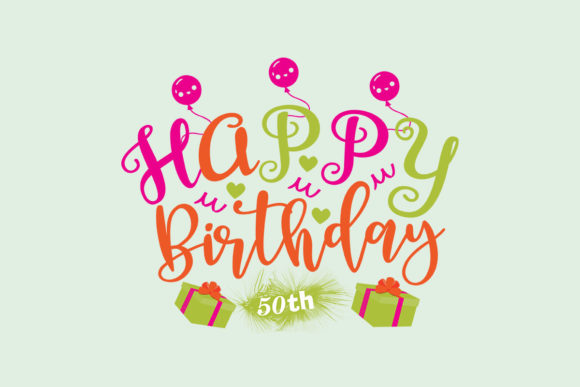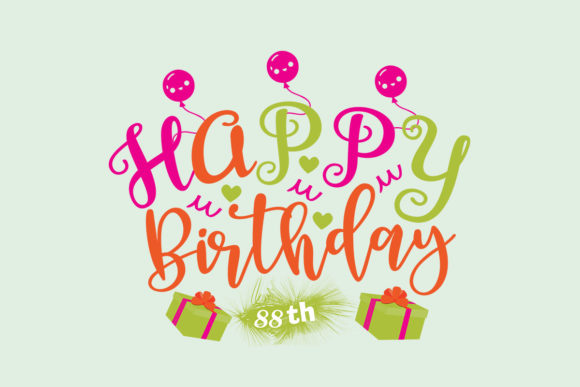
Review: Happy Birthday 88th SVG for Custom Embroidery
As a designer who spends more time staring at stitch simulations than I do sleeping, I approach every new digital embroidery file with a healthy dose of skepticism. We have all been there: you download a cute graphic, load it into your software, and realize the satin columns are too wide or the details are impossible to stitch out on anything but perfect linen. That is why I took a close look at the Happy Birthday 88th SVG before committing it to a real client project. This isn't just about whether the image looks good on a screen; it is about how it translates into thread, fabric, and a finished product that a customer will actually wear and wash.
First Impressions and Design Personality
When I first opened the file, the immediate takeaway was its versatility. The description notes that it is made with 100 vector shapes, which is a significant detail for us digitizers and embroiderers. In the world of Crafts and Graphics, "vector" usually means scalable, but in embroidery terms, it suggests clean lines and distinct color blocks. The mood of the design is celebratory yet classic. It avoids the overly childish fonts often associated with birthday gear, making it suitable for an adult turning 88, which is a specific and often overlooked demographic in the craft business.
The layout feels balanced, with enough negative space to prevent the stitching from becoming a dense, puckered mess. For an embroidery project targeting a milestone birthday, the visual personality needs to say "celebration" without screaming "novelty shop." This design hits that sweet spot. It feels premium enough for a boutique small shop product but accessible enough for a hobbyist making a personalized gift for a grandparent.
Real-World Application: The Sweatshirt Test
To truly evaluate this asset, I imagined a specific scenario: a custom order for a family reunion where the matriarch is turning 88. The client wants matching custom apparel, specifically heavy cotton blend sweatshirts. This is a common request for Etsy sellers and handmade entrepreneurs. The Happy Birthday 88th SVG shines here because of its stated ability to change colors easily.
For a dark navy sweatshirt, I would isolate the vector shapes and assign high-contrast thread colors like gold or cream. Because the design relies on 100 distinct shapes, there is likely minimal blending required, which reduces the risk of thread breaks and color bleeding during the stitch-out. If I were using this for a white T-shirt, I could introduce a pop of color or even adapt it into an applique design by adding a fabric underlay, though the current structure works well as a standard fill stitch or satin stitch composition depending on how you digitize the vectors.
The scalability is crucial here. Whether the client wants a small chest logo or a large back print, the vector foundation ensures the geometry holds up. However, as a reviewer, I must caution that "resizable" in vector terms does not automatically mean "stitchable" at any size. If you shrink this machine embroidery design too small for a baby embroidery project, those 100 shapes might become too tight for the needle to navigate without jumping threads.
Fabric Considerations and Stitching Challenges
Not every surface is created equal. While the design is marketed for posters and mugs, our focus is on textiles. When moving this design onto textured fabrics like Terry cloth towels or stretchy knits, you need to be strategic. The stitch density will need adjustment. If the original vectors are filled densely, stitching them directly onto a stretchy cap or a thin poly-blend tee could cause puckering.
I recommend testing the design on scrap fabric first. This is non-negotiable. Check how the corners of the numbers and letters hold up. Sharp corners in vector files often translate to messy turn-arounds in embroidery if the stabilizer isn't up to the task. For a project like an embroidered patch intended for an apron or tote bag, you would want a heavier cut-away stabilizer to support the weight of the design. If you are attempting this on a curved surface like a baseball cap, ensure the center of gravity in the design aligns with the cap's seam to avoid distortion.
Furthermore, consider the washing instructions for the finished product. A birthday shirt is often kept as a keepsake, but if it's a tote bag design meant for grocery runs, the durability of the stitch matters. Dense areas can become stiff after multiple washes. You might need to reduce the fill density in your embroidery software to keep the hand of the fabric soft.
Commercial Value and Brand Consistency
For commercial embroidery professionals, the value of a file like the Happy Birthday 88th SVG lies in its adaptability. It allows for quick turnaround times because the color separation is logically structured. Being able to swap colors for dark versus light garments saves hours of manual editing. This efficiency directly impacts your profit margin.
From a branding perspective, offering specific age milestones sets you apart. Many shops only stock generic "Happy Birthday" files. Having a dedicated 88th design allows you to target niche markets—perhaps selling holiday embroidery bundles or birthday packages. It enhances buyer engagement because customers feel seen; they aren't just buying a generic item, they are buying something specific to their loved one's milestone.
However, always verify the licensing terms. Just because a file is resizable and easy to edit doesn't mean it is free for unlimited commercial resale as a digital asset. Ensure you understand if you are selling the physical handmade product or if you are restricted from selling the file itself.
Final Verdict and Designer Notes
The Happy Birthday 88th SVG is a solid addition to a designer's library, provided you treat it as a starting point rather than a final solution. Its strength lies in its clean vector construction and color flexibility. It is ideal for sweatshirt embroidery, pillow covers, and kitchen towels where bold, clear graphics are needed.
Before you start stitching, keep these practical notes in mind:
- Check Contrast: Always view your design in black and white mockups to ensure the shapes distinguish themselves without relying on color.
- Stabilizer Selection: Match your stabilizer to the fabric texture. Heavy designs need strong support.
- Hoop Size: Confirm the design fits your available hoop sizes, especially if working with smaller items like baby clothes or pockets.
- Detail Inspection: Zoom in on the tiny lettering or intricate parts of the number "88" to ensure they won't merge during stitching.
- License Confirmation: Double-check usage rights before listing finished items on Etsy or at craft fairs.
In conclusion, this graphic offers a professional foundation for creating memorable personalized products. With the right adjustments to stitch density and stabilizer, it transforms from a simple vector image into a high-quality textile art piece that honors a significant life achievement.