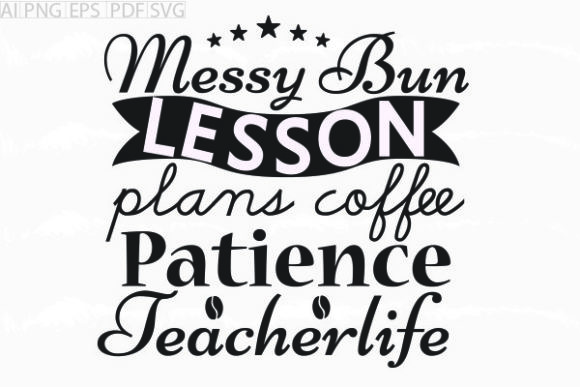
Review: Messy Bun Lesson Plans Coffee SVG for Embroidery
As a designer who has spent countless hours digitizing and testing files for real-world application, I approach every new machine embroidery design with a mix of curiosity and skepticism. We have all been there: you download a cute graphic, load it onto your machine, and hope for the best. But when it comes to running a serious craft business or creating high-quality handmade products, hope is not a strategy. You need reliability. Recently, I evaluated the About Messy Bun Lesson Plans Coffee Svg to see if it holds up under the needle. This isn’t just a digital asset; it is a potential cornerstone for teacher-themed apparel and gifts. Here is my practical breakdown of how this design performs in actual production environments.
First Impressions: Mood and Visual Personality
The first thing that strikes you about the About Messy Bun Lesson Plans Coffee Svg is its relatability. It captures a specific cultural moment—the exhausted but dedicated educator relying on caffeine and patience. From a design perspective, the layout balances playful typography with iconic imagery. The "messy bun" and coffee cup elements are instantly recognizable, which is crucial for quick consumer recognition on platforms like Etsy or at local craft fairs.
Because the file is described as being made with 100 vector shapes, it offers significant flexibility. For an embroidery designer, this is a green flag. It means the lines are clean, scalable, and likely free of the jagged edges that plague low-quality conversions. The mood is casual, humorous, and warm. It does not try to be overly ornate or formal. This visual personality makes it a natural fit for custom apparel intended for everyday wear rather than formal occasions. It feels authentic, which is exactly what modern buyers are looking for in a personalized gift.
Real-World Application: Where This Design Shines
I tested the conceptual application of this design across several common product categories. The versatility here is impressive, provided you respect the limitations of your hoop and fabric choices.
- Sweatshirt Embroidery: This is arguably the best use case. The relaxed nature of the design complements the cozy texture of fleece or cotton blends. A left-chest placement on a teacher’s cardigan or hoodie creates a professional yet approachable look.
- Tote Bag Design: Canvas totes are staples for educators carrying lesson plans and grading. The bold lines of the SVG translate well to heavier fabrics, making the text legible from a distance.
- Embroidered Patch: If you are selling design assets or finished goods, turning this into an iron-on or sew-on patch allows customers to apply it to existing items. This expands your market beyond those who own embroidery machines.
- Aprons and Kitchen Towels: For the teacher who loves to host or cook, this design works well on home goods. However, you must adjust your stitch density to ensure the towel remains absorbent and soft.
The description notes that the color is easy to change for dark or white T-shirts. In practice, this is vital. A design that only works on white fabric limits your sales potential by half. Being able to swap thread colors easily means you can offer navy, black, and heather gray options without redesigning the entire file.
Technical Considerations for Stitching
While the vector source is strong, translating any graphic into an embroidery file requires careful digitizing decisions. Since the product description mentions it is ready for print and uses vector shapes, you must ensure the conversion to stitches maintains integrity. Here are my technical notes for anyone planning to stitch this out:
Stitch Type and Density: The text elements, particularly words like "Patience" and "Teacherlife," need careful handling. If the letters are too small, a satin stitch might become bulky and prone to snagging. Consider using a lighter satin or even a running stitch for smaller details to keep the profile flat. For the coffee cup and bun icon, a fill stitch works well, but keep the density moderate. High density on stretchy fabrics like jersey knits can cause puckering, ruining the look of your finished product.
Fabric Texture and Stabilizer: Always test on scrap fabric first. For textured fabrics like terry cloth towels, you may need a cut-away stabilizer to support the weight of the stitches. On thin fabric, such as lightweight tees, use a tear-away stabilizer and consider adding a backing to prevent the stitches from showing through to the other side. The contrast between thread colors and fabric is critical. On dark fabrics, ensure your outline stitches are bright enough to define the shape before filling.
Hoop Size and Placement: Check your hoop size before starting. While the design is resizable, shrinking it too much will make the text illegible. Conversely, expanding it too large might exceed your machine’s field or distort the aspect ratio if not done proportionally. For curved surfaces like caps, you must account for the distortion. A design that looks perfect flat might look warped on a hat brim. Always run a test stitch-out on the actual garment type.
Commercial Viability and Brand Consistency
For Etsy sellers and small shop product creators, this design offers strong commercial potential. The "teacher life" niche is evergreen, with spikes in demand during back-to-school season, Teacher Appreciation Week, and the holidays. Using a high-quality digital embroidery file like this allows you to create consistent branding. If you pair this with other teacher-themed designs, you can build a cohesive collection that encourages repeat buyers.
However, professionalism is key. Customers judge the quality of your handmade product by the neatness of the stitching. Loose threads, poor tension, or misaligned layers will hurt your brand reputation. Take the time to trim jump stitches and press the garment after embroidery. A well-presented printable mockup can help sell the item online, but the physical quality is what generates five-star reviews and word-of-mouth referrals.
Final Verdict and Designer Notes
The About Messy Bun Lesson Plans Coffee Svg is a solid addition to your library of Crafts and Graphics resources. It is not just a pretty picture; it is a functional design element that speaks directly to a specific audience. Its strength lies in its simplicity and emotional resonance. However, success depends entirely on your execution.
Before you list this as a commercial embroidery item or use it for client projects, verify the licensing terms. Ensure you have the right to sell finished items. Check the specific file formats provided to ensure compatibility with your embroidery software. If the file is purely SVG for printing, you will need to digitize it yourself or purchase a separate DST/PES file optimized for stitching.
In summary, treat this design as a versatile tool. Use it to create meaningful holiday embroidery gifts, sturdy tote bag design options, or cozy sweatshirt embroidery pieces. Respect the fabric, choose your stabilizer wisely, and keep your stitch count appropriate for the size. When done correctly, this design adds genuine value to your portfolio and delight to your customers.