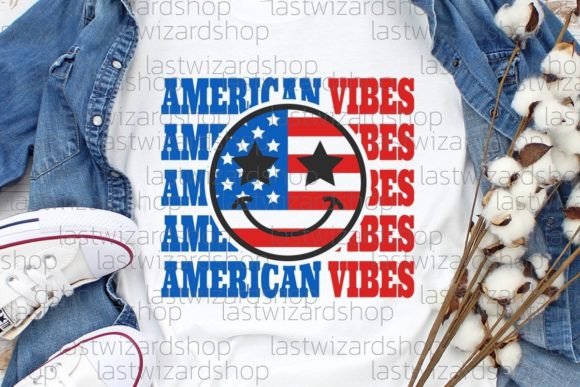
Reviewing American Vibes Smiley Svg for Real Embroidery
As a designer who spends more time at the hoop than away from it, I approach every new digital embroidery file with a mix of excitement and skepticism. We have all downloaded a cute graphic only to realize it falls apart the moment the needle hits the fabric. Today, I am taking a close look at the American Vibes Smiley Svg. This isn't just about whether the image looks good on a screen; it is about how this design translates into a tangible, stitched handmade product that can stand up to wear, washing, and customer scrutiny.
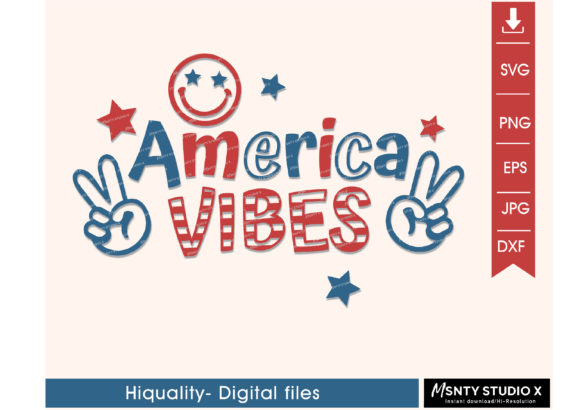
The first thing that strikes me about this design is its mood. It manages to blend patriotic themes with a playful, retro aesthetic without feeling overly aggressive or cliché. The smiley face motif brings a sense of nostalgia and joy, while the "American Vibes" elements ground it in a specific seasonal context perfect for Fourth of July projects. For an Etsy seller or boutique owner, this visual personality is gold. It appeals to a wide demographic, from parents looking for matching family outfits to young adults wanting trendy festival gear. However, the transition from a vector graphic in the Crafts category to a stitched reality requires careful planning.
Putting the Design to the Test: A Real-World Scenario
To truly evaluate this asset, I imagined a specific client request: a custom order for a local summer market featuring a line of unisex canvas tote bags and heavyweight cotton sweatshirts. The goal was to create a personalized gift option that felt festive but not disposable. When I loaded the American Vibes Smiley Svg into my digitizing software to prepare it for the machine, the layout immediately suggested versatility. The central smiley element is bold enough to serve as the focal point on a large tote bag design, while the surrounding details offer enough interest to keep the eye engaged on a sweatshirt embroidery chest placement.
In terms of stitching clarity, the design holds up well provided you respect the limits of your materials. The shapes are generally clean, which is crucial for maintaining professionalism in a commercial embroidery setting. If you are aiming for a polished look, this design works beautifully with a combination of satin stitch for the outlines and text, and a tight fill stitch for the larger colored areas. The contrast between the elements helps define the image, ensuring that the "smiley" doesn't get lost against the background fabric. For a small shop product, this level of definition builds buyer trust; customers can instantly recognize the quality of the work.
Navigating Fabric Challenges and Hoop Constraints
While the design is strong, no machine embroidery design is universal. There are specific scenarios where the American Vibes Smiley Svg demands extra caution. If you plan to use this on textured fabrics like terry cloth towels or waffle weave aprons, you must account for the fabric texture interfering with fine details. The smaller elements of the design might sink into the pile of the fabric, losing their crispness. In these cases, using a heavier cut-away stabilizer is non-negotiable to support the stitches and prevent distortion.
Another critical factor is the hoop size. Before committing to a production run, you must verify the dimensions of the design against your available hoops. If you are working on curved surfaces like caps or visors, the layout might need adjustment. A design that looks balanced on a flat pillow cover can appear skewed when forced onto the curve of a hat. Additionally, if you are working with stretchy performance fabrics for athletic wear, the density of the stitches becomes a major concern. High stitch density can cause the fabric to pucker or restrict movement. For these applications, I recommend reducing the fill density slightly or switching to a lighter weight thread to maintain the integrity of the garment.
Dark fabrics present another opportunity and challenge. The vibrant colors implied by the "Independence Day" theme pop incredibly well against navy or black backgrounds, creating a high-impact finished product. However, you must ensure your thread colors provide sufficient contrast. A dark red on a black shirt might look muddy once stitched. Always test your color palette on scrap fabric first. Seeing the design in a printable mockup is helpful, but nothing replaces seeing the actual thread interaction under shop lighting.
Commercial Viability and Brand Consistency
For creative entrepreneurs, the value of a design extends beyond aesthetics; it is about brand consistency and marketability. The American Vibes Smiley Svg fits seamlessly into a summer collection, offering a cohesive look across different items like baby clothes, kitchen towels, and patches. Using a consistent design asset across various products helps establish a recognizable brand identity. When a customer sees that same smiley face on a mug, a tee, and a patch, it reinforces the professional nature of your craft business.
However, before listing this as a design asset for sale or using it in items for resale, you must diligently check the licensing terms. Not all SVG files found in the Graphics category allow for unlimited commercial use. Some may require attribution, limit the number of physical items you can sell, or prohibit use in digital downloads entirely. Ignoring these terms can lead to serious legal issues for an Etsy seller. Always confirm whether the license covers both personal and commercial projects, and whether there are restrictions on modifying the file for specific embroidery needs.
Final Thoughts on Execution
Ultimately, the American Vibes Smiley Svg is a versatile and charming choice for holiday-themed projects. Its strength lies in its ability to convey a festive message without sacrificing style. Whether you are creating a holiday embroidery piece for a family reunion or stocking inventory for a boutique, this design has the potential to perform well. Just remember that the difference between a good product and a great one often comes down to the details: testing on scraps, choosing the right stabilizer, and respecting the limitations of your fabric.
Treat this file as a foundation rather than a final solution. Adapt it to your specific machine capabilities and your customer's needs. With the right preparation and a keen eye for detail, this design can become a staple in your summer lineup, delivering joy to your customers and reliability to your reputation as a skilled maker.