Reviewing Barnyard Animals Svg for Embroidery Projects
As a designer who spends more time staring at stitch simulations than actual thread spools, I have learned that not every cute graphic translates well to fabric. When I first pulled up the Barnyard Animals Svg, Farm Svg, Baby collection, my initial reaction was cautious optimism. The market is flooded with farm-themed graphics, but finding a set that balances whimsical charm with technical embroidery viability is rare. This review breaks down how these designs perform in real-world applications, moving beyond the digital preview to the tactile reality of stitched goods.
First Impressions and Visual Personality
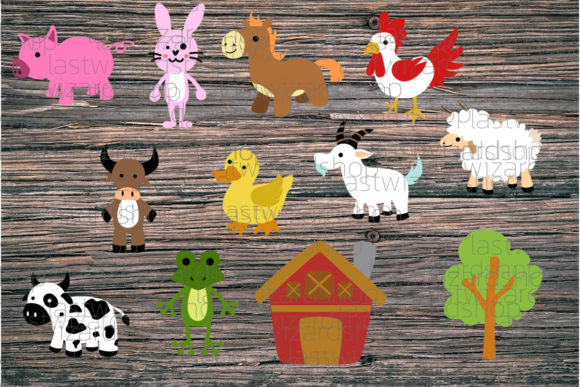
The immediate appeal of this bundle lies in its cohesive aesthetic. The pig, horse, sheep, duck, chicken, and cow illustrations share a rounded, soft-edged style that inherently suits embroidery. Sharp, angular lines are the enemy of smooth satin stitches, so the organic curves here are a welcome sight. The mood is undeniably cheerful and nostalgic, evoking feelings of warmth and simplicity. For a designer, this means the visual personality is versatile. It does not scream "trendy" in a way that will date quickly; instead, it feels like a classic nursery staple.
However, visual appeal on a screen is deceptive. The true test is how these shapes hold up when converted from vector paths to thread. The Barnyard Animals Svg, Farm Svg, Baby files appear to have sufficient spacing between elements, which is critical for preventing thread bunching. When I imagine these on a hoop, the layout suggests a balanced composition that avoids excessive density in any single area, a common pitfall in multi-character designs.
Real-World Application: The Custom Tote Bag Test
To evaluate practicality, I mentally placed these designs on a standard canvas tote bag, a popular item for small shop products and craft fair merchandise. A tote bag offers a large, flat surface, making it ideal for showcasing the full herd or individual characters. Using the cow or horse as a central focal point works beautifully here. The larger scale allows for varied thread textures, such as combining a fill stitch for the body with a satin stitch for outlines or details like eyes and hooves.
In this scenario, the embroidery file quality determines the professional look of the finished product. If the digitizing is poor, the cow’s spots might merge into a blob, or the sheep’s wool texture could become a stiff, cardboard-like patch. Assuming proper digitizing, these designs add significant value to a basic cotton tote. They transform a generic item into a personalized gift or a charming boutique product. For an Etsy seller, this versatility is key. You can market the same design asset across multiple listings by simply changing the garment type.
Apparel and Baby Items
Moving to smaller scales, consider baby embroidery on onesies or bibs. The duck and chicken, being naturally smaller animals in this set, are perfect for chest placements. Here, the stitch density becomes a major concern. Babies have sensitive skin, and heavy stitching can feel scratchy or restrict the stretch of the fabric. If you are using these digital embroidery file assets for infant wear, you must check if the design relies heavily on dense fill stitches. Ideally, you want a balance of running stitch and lighter fills to maintain fabric drape.
For sweatshirt embroidery, the thicker fabric provides a stable base for more detailed work. The pig and sheep designs could look adorable on the sleeve or upper back of a toddler’s hoodie. The contrast of bright thread colors against pastel or neutral fleece creates high visual impact. This is where the thread colors you choose matter immensely. A monochromatic look can be sophisticated, while vibrant, contrasting colors lean into the playful, cartoonish nature of the graphics.
Technical Considerations and Fabric Constraints
While the designs are charming, they are not universally applicable without adjustment. Embroidery designers must consider the substrate. Textured fabrics, such as terry cloth towels or waffle-knit blankets, can obscure fine details. If the Barnyard Animals Svg, Farm Svg, Baby design includes tiny features like eyelashes or beak details, these may get lost in the pile of a towel. In such cases, simplifying the design or increasing the size is necessary.
Stretchy fabrics present another challenge. Knits require careful stabilization to prevent puckering. When stitching the horse or cow on a stretchy t-shirt, using a cut-away stabilizer is non-negotiable. Without it, the weight of the thread will distort the fabric around the design, ruining the clean lines of the animal shapes. Additionally, dark fabrics require thoughtful planning. If you are stitching a white sheep on a black hoodie, you cannot simply rely on the thread color. You may need an underlay or even an applique design approach to ensure the white threads do not look gray or sparse against the dark background.
Curved surfaces, like caps, require specific attention to hoop size and design orientation. Placing a wide design like the full barnyard scene on a cap is impossible due to the limited embroidery field. However, isolating a single character, such as the duck, works well on the front panel. Ensure the design width fits within your machine’s maximum hoop size for headwear, typically around 4 inches for standard caps.
Enhancing Product Value and Brand Consistency
For commercial embroidery and small business owners, consistency is brand currency. Using a cohesive set like Barnyard Animals Svg, Farm Svg, Baby helps establish a recognizable style. If you sell nursery decor, having a matching set of animals allows you to create bundles—such as a pillow cover with the sheep and a blanket with the cow. This encourages higher average order values and builds customer trust. Buyers perceive coordinated collections as more professional and thoughtfully curated than mismatched, random graphics.
Furthermore, the quality of the design assets directly impacts buyer engagement. Clean, well-digitized embroidery signals quality craftsmanship. Sloppy stitching, caused by poor file quality or lack of testing, leads to returns and negative reviews. By investing time in testing these files on scrap fabric, you ensure that every finished product meets a high standard. This diligence pays off in repeat business and positive word-of-mouth.
Practical Designer Notes for Best Results
Before launching any product line with these graphics, adhere to these practical steps:
- Test on Scrap Fabric: Always stitch a sample on the exact fabric type you intend to use. Check for puckering, thread breaks, and registration issues.
- Check Thread Contrast: View your design in black and white mockups to ensure the shapes are distinct without relying on color alone.
- Verify Licensing: Confirm whether the license allows for commercial use of finished items. Most SVG bundles allow this, but always read the terms to protect your craft business.
- Assess Stitch Density: If the design feels stiff after stitching, consider reducing the density in your editing software or choosing a lighter fabric.
- Use Proper Stabilizer: Match your stabilizer to your fabric. Tear-away for stable woven fabrics, cut-away for knits, and wash-away for delicate or textured materials.
- Inspect Small Details: Zoom in on the digital file. If elements are too close together, they may bridge with thread during stitching. Add spacing if necessary.
In conclusion, the Barnyard Animals Svg, Farm Svg, Baby collection offers strong potential for embroidery projects ranging from holiday gifts to everyday apparel. Its success depends not just on the cuteness of the characters, but on the designer’s ability to adapt the files to the constraints of thread and fabric. With careful testing and thoughtful application, these graphics can become staples in a successful handmade product lineup.