Reviewing the Southwest Aztec SVG for Real Embroidery Projects
As a designer who has spent countless hours digitizing patterns and testing files on various machines, I approach every new Aztec Pattern Svg, Southwest Aztec Svg with a mix of curiosity and caution. We have all been there: you download a stunning graphic, eager to start stitching, only to realize that what looks crisp on a screen can become a tangled mess of thread on fabric. Today, I am breaking down this specific design from the perspective of practical application, focusing on how it translates from a digital asset in the Crafts and Graphics category into a tangible, high-quality finished product.
First Impressions and Visual Personality
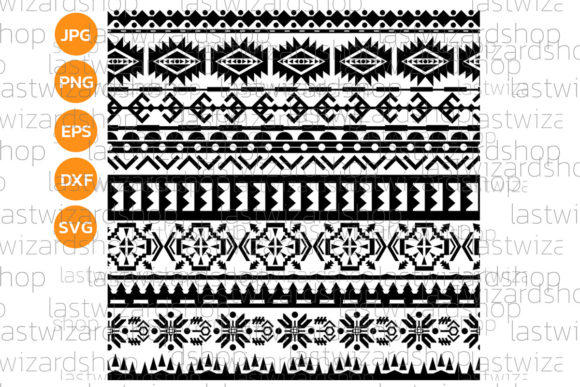
The immediate appeal of this Aztec Pattern Svg, Southwest Aztec Svg lies in its bold, geometric confidence. The black and white seamless nature of the pattern suggests a modern yet timeless aesthetic. For an embroidery designer, this is both a blessing and a challenge. The sharp angles and repetitive motifs create a strong visual rhythm that works exceptionally well for contemporary home decor or streetwear-inspired apparel. However, the "seamless" aspect implies continuity, which means we must think carefully about boundaries. Unlike a contained logo, a pattern like this demands precision in placement. If you are planning to use this for a full-back sweatshirt design or an all-over print on a tote bag, the flow of the lines must remain uninterrupted to maintain that professional look.
The mood here is earthy but structured. It evokes the warmth of southwestern textiles without feeling dated. This visual personality makes it a versatile candidate for a wide range of projects, from rustic wedding invitations printed on textured paper to modern nursery decor. But remember, we are talking about embroidery. The transition from vector lines to satin stitches or fill stitches requires a keen eye for detail.
Real-World Application: The Custom Tote Bag Test
To truly evaluate this design, let’s walk through a real-life scenario. Imagine you are preparing a custom order for a local boutique owner who wants a line of eco-friendly tote bags. She chooses this Aztec Pattern Svg, Southwest Aztec Svg for its ethnic flair. You decide to place the pattern across the bottom third of a heavy canvas bag. This is where the rubber meets the road.
Canvas is a sturdy fabric, but it has a visible weave. When you load the embroidery file into your software, you need to check the stitch density. If the original SVG was designed primarily for cutting machines like Cricut or Silhouette, as suggested by the inclusion of DXF and EPS formats, it may lack the necessary underlay or compensation for fabric pull. A design intended for vinyl cutting does not automatically translate to a smooth machine embroidery design. You might find that the sharp corners of the Aztec motifs require careful digitizing to prevent puckering. Using a proper stabilizer is non-negotiable here. A cut-away stabilizer would likely provide the best support for the dense geometric areas, ensuring the finished product remains flat and professional.
Versatility Across Product Lines
Beyond tote bags, this design shows promise in several other areas. For custom apparel, such as hoodies or denim jackets, the bold lines of the Southwest Aztec Svg can stand out beautifully against dark fabrics. However, you must consider thread colors. While the preview is black and white, embroidering in monochrome can sometimes look flat if the thread sheen does not contrast enough with the fabric texture. Experimenting with matte cotton threads versus shiny rayon can dramatically change the final appearance.
For baby embroidery projects, such as a neutral-toned blanket or a nursery pillow cover, the pattern offers a gender-neutral option that appeals to modern parents. Yet, caution is advised. Babies have sensitive skin, so the back of the embroidery must be clean. If the stitch density is too high, the backing might feel scratchy. In this case, considering an applique design approach could be smarter. You could use the SVG as a cut guide for fabric applique, then stitch around the edges with a satin stitch. This reduces bulk and creates a softer touch, making it ideal for a personalized gift that will be handled frequently.
Considerations for Small Hoops and Curved Surfaces
One area where this design requires careful planning is in smaller applications, such as caps or embroidered patches. The intricate details of the Aztec motif might get lost if scaled down too much for a small hoop size. On a curved surface like a baseball cap, distortion is a common enemy. The straight lines of the pattern can appear warped if the hooping tension is not perfect. I recommend running a test stitch-out on scrap fabric of the same type before committing to the final garment. This allows you to adjust the pull compensation and ensure that the tiny corners of the geometric shapes do not bunch up.
Similarly, for holiday embroidery items like kitchen towels or aprons, the durability of the stitch matters. These items undergo frequent washing. A well-digitized file will account for this by using appropriate stitch types, such as a combination of running stitch for outlines and fill stitch for larger areas, ensuring the design holds up over time. If the file is purely a graphic SVG without embroidery-specific formatting, you will need to digitize it yourself or hire a professional to convert it into a usable DST or PES file.
Enhancing Brand Value and Customer Trust
For Etsy sellers and small shop product creators, the quality of your design directly impacts your brand consistency. Using a high-quality Aztec Pattern Svg, Southwest Aztec Svg can elevate your handmade product from amateur to artisanal. Customers can tell when a design is crisp and well-executed. It builds trust and encourages repeat business. When you present your work, whether through physical samples or printable mockup images online, the clarity of the pattern speaks volumes about your attention to detail.
Moreover, this design fits well into the current trend of bohemian and southwestern aesthetics. By incorporating it into your design assets, you tap into a market that values cultural motifs and natural themes. Whether you are creating commercial embroidery for a corporate client looking for a unique uniform accent or crafting holiday gifts for friends, the versatility of this pattern is a significant asset.
Practical Designer Notes for Success
Before you begin your next embroidery project with this file, keep these practical tips in mind:
- Check the License: Always confirm whether the digital embroidery file or graphic SVG allows for commercial use. If you plan to sell finished items, ensure you have the right to do so.
- Test on Scrap Fabric: Never skip the test stitch. Use the same fabric and stabilizer combination you intend to use for the final product.
- Contrast is Key: Review how the design looks in both light and dark settings. High contrast ensures the geometric details remain visible.
- Inspect Small Details: Zoom in on the vector file. Are there any nodes or points that might cause needle breaks? Clean up the path if necessary.
- Consider the End Use: If the item will be washed often, prioritize durability over decorative complexity.
In conclusion, the Aztec Pattern Svg, Southwest Aztec Svg is a powerful tool in the hands of a skilled creator. It offers a blend of traditional motif and modern application that can enhance a wide variety of Crafts and Graphics projects. By approaching it with a designer’s eye for detail and a practitioner’s respect for the medium, you can transform this digital file into a standout piece of wearable art or home decor. Happy stitching!