Review: Star Spangled and Sassy SVG for July 4th Projects
As a designer who has spent countless hours digitizing patterns and testing files on various machines, I approach every new machine embroidery design with a critical eye. It is not just about whether the image looks cute on a screen; it is about how those lines translate into thread, how the tension holds up on different textiles, and whether the final finished product delivers the quality my clients expect. Recently, I evaluated the Star Spangled and Sassy Svg, 4th of July to determine its viability for upcoming holiday collections. This review breaks down the practical realities of using this graphic in real-world embroidery projects, from boutique apparel to personalized home goods.
First Impressions: Mood and Visual Personality
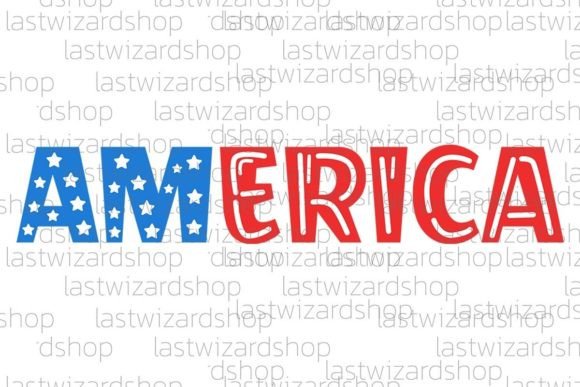
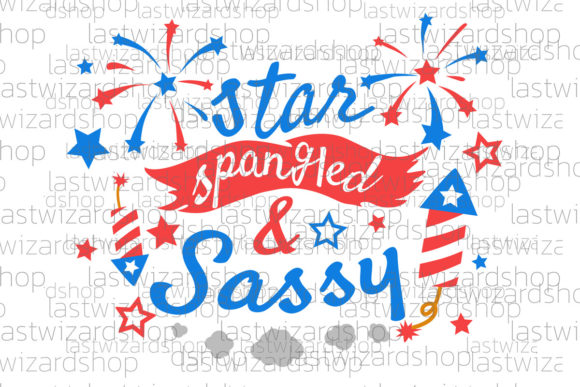
The immediate appeal of the Star Spangled and Sassy Svg, 4th of July lies in its balanced energy. It captures the patriotic spirit without feeling overly traditional or stiff. The typography suggests a playful, confident tone, making it an ideal candidate for modern custom apparel rather than formal ceremonial wear. When I first loaded the file into my editing software, I looked closely at the node structure. For a design intended for both cutting machines and embroidery, the curves need to be smooth to prevent jagged stitching. This particular graphic offers clean lines that suggest it will convert well into satin and fill stitches, provided the digitizer respects the original vector paths.
The theme is unmistakably Independence Day, yet the "sassy" element gives it a broader commercial appeal. It fits perfectly into the current trend of bold, statement graphics on casual wear. For Etsy sellers and small shop product creators, this means the design can transcend simple flag motifs and become a lifestyle statement. It feels right at home on a relaxed summer tote or a oversized hoodie, projecting a sense of fun and national pride that resonates with a younger demographic.
Real-World Application: From Digital File to Stitched Goods
To truly test the versatility of this digital embroidery file, I imagined several production scenarios. The most obvious application is a sweatshirt embroidery project. A heather grey or navy crewneck provides an excellent canvas for the red, white, and blue color palette typically associated with this holiday. The design’s layout allows for prominent placement on the chest or back, ensuring high visibility. However, because sweatshirts have a textured surface, I would recommend adjusting the stitch density slightly to ensure the threads sink into the fabric without causing puckering.
Another strong use case is the tote bag design. Canvas bags are staples for craft fairs and boutique branding. The sturdy nature of canvas supports heavier stitch counts, allowing the Star Spangled and Sassy Svg, 4th of July to stand out with vibrant thread colors. Here, the durability of the stitch type matters. Using a robust fill stitch for the larger elements and a tight satin stitch for borders ensures the design withstands the wear and tear of daily use. This transforms a simple accessory into a durable handmade product that customers trust.
For those interested in baby embroidery, caution is required. While the motif is charming, the scale must be reduced significantly for infant garments. Soft, stretchy fabrics like cotton jersey require careful stabilization. If you plan to use this on a onesie, consider converting parts of the design into an applique design to reduce the number of stitches directly penetrating the delicate fabric. This not only protects the garment’s integrity but also adds a tactile dimension that parents appreciate in a personalized gift.
Navigating Technical Challenges and Fabric Constraints
No design is universally perfect for every substrate, and honest assessment requires acknowledging limitations. The Star Spangled and Sassy Svg, 4th of July features typographic elements that demand precision. When working with thin fabric or lightweight knits, small lettering can easily distort if the stabilizer is insufficient. I always advise using a cut-away stabilizer for stretchy materials to maintain shape retention after washing. For woven cottons, a tear-away might suffice, but testing is non-negotiable.
Curved surfaces present another hurdle. Embroidering this design on a cap or hat requires specialized hooping techniques. The curvature can cause the design to pull or gap, particularly if the hoop size is not matched correctly to the design dimensions. If the graphic includes intricate corners or sharp angles, these areas are prone to thread breaks or bunching if the machine speed is too high. Slowing down the machine and using a needle appropriate for the fabric weight—such as a ballpoint for knits or a sharp for wovens—can mitigate these issues.
Dark fabrics pose a contrast challenge. If you are stitching white thread on black fabric, any underlying fabric showing through the stitches will ruin the crispness of the design. In such cases, increasing the density or adding an underlay stitch is crucial. Conversely, on light fabrics, ensure that the bobbin thread color matches the top thread to avoid visible specks of contrasting color poking through the back or front of the embroidered patch or garment.
Enhancing Brand Value and Customer Trust
For craft business owners, the quality of the embroidery directly impacts brand perception. A clean, well-executed Star Spangled and Sassy Svg, 4th of July signals professionalism. It shows that the maker understands tension, density, and fabric behavior. This attention to detail builds customer trust, encouraging repeat business and positive reviews. When buyers see a neatly stitched holiday item, they perceive higher value, justifying a premium price point compared to mass-produced alternatives.
Furthermore, this design serves as a versatile asset for marketing. It can be used in printable mockup previews to showcase potential products on your website before you even stitch a single thread. This allows commercial embroidery businesses to gauge interest and pre-sell items, reducing inventory risk. By presenting the design in various contexts—on mugs, shirts, and towels—you demonstrate its flexibility, appealing to a wider range of buyers looking for holiday embroidery solutions.
Practical Notes for Designers and Makers
Before committing to a large production run, always test the design on scrap fabric identical to your final material. Check the stitch density to ensure it does not overwhelm the fabric. Verify that the embroidery file format you are using is compatible with your specific machine software. While the product description mentions SVG, DXF, PNG, and EPS, ensure you have the correct embroidery-specific formats (such as PES, DST, or JEF) if you are not manually digitizing from the vector graphics.
Inspect the small details closely. Are the stars uniform? Is the text legible at smaller sizes? Test the design in black and white to check for contrast issues. Confirm licensing terms if you plan to sell finished items; while many design assets allow for commercial use, it is vital to read the specific license included with your purchase. Finally, consider the washability of the final product. Ensure that the threads used are colorfast and that the stabilizer chosen will not degrade or irritate the skin after multiple washes.
In conclusion, the Star Spangled and Sassy Svg, 4th of July is a promising addition to any Crafts and Graphics library for the season. With careful attention to technical execution and fabric selection, it can elevate your Independence Day offerings, providing a stylish, high-quality option for customers seeking unique, handmade patriotic goods.