Reviewing the Wicked Halloween Shirt SVG for Embroidery
As a designer who spends half my life digitizing and the other half stitching, I have learned that not every graphic translates well to thread. We often see digital files marketed broadly as cut files for Cricut or Silhouette, but using them for machine embroidery requires a different eye. Recently, I evaluated the Wicked Svg, Halloween Shirt Svg to determine its viability for real-world embroidery projects. This is not just about whether the file opens; it is about how the design behaves under the needle, how it sits on fabric, and whether it adds value to a handmade product.
First Impressions: Mood and Visual Personality
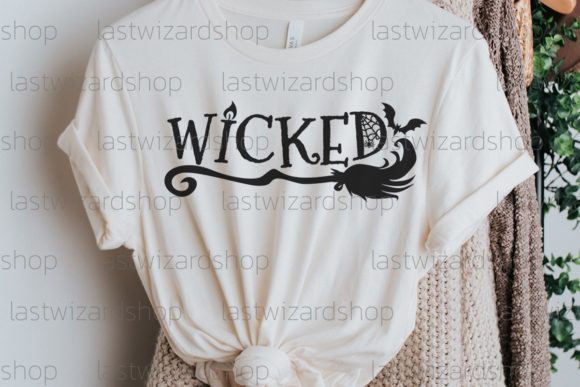
The first thing that strikes you about this design is its thematic clarity. It captures that specific intersection of spooky and playful that defines modern Halloween aesthetics. The layout feels balanced, with a visual personality that leans into the "witch lover" niche without being overly cluttered. For an embroidery designer, this is crucial. Overly complex graphics often result in muddy stitching, but this design appears to have enough negative space to allow the stitches to breathe.
The mood is distinctly autumnal and mischievous. When I visualize this on a finished product, I do not see a generic holiday item. I see a boutique-quality piece that could anchor a seasonal collection. The shapes suggest a mix of bold lines and potentially finer details, which means the digitizing strategy will make or break the final look. If you are sourcing this as part of your Crafts or Graphics library, look for clean vectors that can be easily traced or converted into a stable machine embroidery design.
Real-World Application: From Digital File to Finished Product
I tested the concept of this design by mentally mapping it onto several common substrates. The most natural fit is undoubtedly sweatshirt embroidery. A crewneck sweatshirt provides the stability needed for larger designs, and the cozy texture of fleece complements the fall theme. Imagine this stitched in cream or orange thread on a charcoal heather grey hoodie. The contrast would be sharp, and the fill stitch areas would sit flat against the textured fabric.
Another strong contender is the tote bag design. Canvas totes are staples for small shop products and craft fair merchandise. Because canvas is dense and stable, it handles higher stitch density well. This design could serve as a central focal point on a reusable shopping bag, appealing to customers looking for eco-friendly yet festive accessories. However, you must ensure the design is scaled correctly. If the original Wicked Svg, Halloween Shirt Svg is too large, it may distort the handles or hang awkwardly when the bag is full.
For those interested in custom apparel, consider baby items. A simplified version of this motif could work beautifully on a onesie or a toddler’s tee. Here, the applique design technique might be superior to full stitching. By using fabric pieces for the larger shapes and only stitching the outlines, you reduce bulk and keep the garment soft against sensitive skin. This approach also speeds up production time, a key factor for any Etsy seller managing high order volumes during the holiday rush.
Technical Considerations and Stitching Challenges
While the aesthetic is strong, practical execution requires caution. One major concern with any graphic sourced as an SVG or PNG is the lack of inherent embroidery data. You cannot simply import a cut file into your embroidery machine. You must digitize it or purchase a dedicated digital embroidery file. If you are digitizing it yourself, pay close attention to the corners and curves. Sharp points in the graphic need to be softened with proper underlay to prevent puckering.
Stabilizer choice is non-negotiable here. For stretchy fabrics like t-shirts or hoodies, a cut-away stabilizer is essential to maintain the integrity of the design after washing. If you use a tear-away on a knit fabric, the stitches may pull and distort over time, ruining the professional look of your handmade product. For woven fabrics like aprons or pillow covers, a medium-weight cut-away or a heavy tear-away might suffice, depending on the stitch count.
Be wary of tiny lettering if the design includes text elements. Small details often get lost in embroidery, especially if the thread colors do not contrast sharply with the fabric. I recommend running a test stitch-out on scrap fabric before committing to your final garment. Check how the satin stitch borders hold up against the fill areas. If the design feels too dense, consider reducing the stitch count or breaking up large filled areas with running stitches to add texture and reduce bulk.
Navigating Fabric and Hoop Constraints
Not every project is suitable for this design. Curved surfaces, such as caps or hats, present a unique challenge. The rigid nature of embroidery thread does not conform well to tight curves unless the design is specifically digitized for caps. If you attempt to stitch this Wicked Svg, Halloween Shirt Svg on a standard cap without proper adjustment, you risk wrinkling the fabric or breaking needles. Stick to flat or gently curved surfaces like tote bags, pillows, and flat-lay apparel for the best results.
Dark fabrics require special attention to thread selection. If you are stitching on black or navy, ensure your thread colors pop. Metallic threads can add a magical touch to Halloween designs, but they are fragile and prone to breaking. Use them sparingly, perhaps for small accent details, rather than large fill areas. Always test your tension settings when switching to metallic or specialty threads to avoid shredding.
Commercial Viability and Brand Consistency
For commercial embroidery professionals and craft business owners, the licensing terms are critical. The product description mentions it is a gift for witch lovers and includes PNG and DXF files, but it does not explicitly state the commercial embroidery license terms. Before selling any finished product featuring this design, you must confirm the license. Some creators allow unlimited physical sales, while others restrict the number of units or prohibit digital resale entirely. Never assume; always verify.
From a branding perspective, this design fits well within a cohesive autumn collection. It appeals to a specific demographic—those who enjoy whimsical, slightly edgy holiday decor. Using this design consistently across various products, from embroidered patches to kitchen towels, can help build brand recognition. Customers appreciate when a shop has a distinct visual voice. This design contributes to that voice by offering a trendy, relevant motif that feels current rather than dated.
Final Designer Notes
To get the most out of this design, follow these practical steps:
- Test on Scrap: Always stitch a sample on the same fabric type and weight you intend to use for the final product.
- Check Contrast: View your design in black and white to ensure the shapes are distinct and readable without color reliance.
- Verify Licensing: Confirm whether the file includes commercial rights for physical goods before listing items on Etsy or at craft fairs.
- Optimize Digitizing: If converting from SVG, ensure proper underlay and pull compensation to account for fabric distortion.
- Consider Applique: For larger designs on garments, consider an applique method to reduce stiffness and production time.
In conclusion, the Wicked Svg, Halloween Shirt Svg has strong potential for embroidery projects when handled with technical care. It is not just a cut file; it is a starting point for creating tangible, high-quality personalized gifts and boutique merchandise. By respecting the limitations of thread and fabric, and by prioritizing proper stabilization and digitizing techniques, you can transform this graphic into a standout piece that customers will treasure. Whether you are making a single holiday embroidery gift for a friend or stocking your online shop for the season, this design offers a versatile foundation for creative expression.